

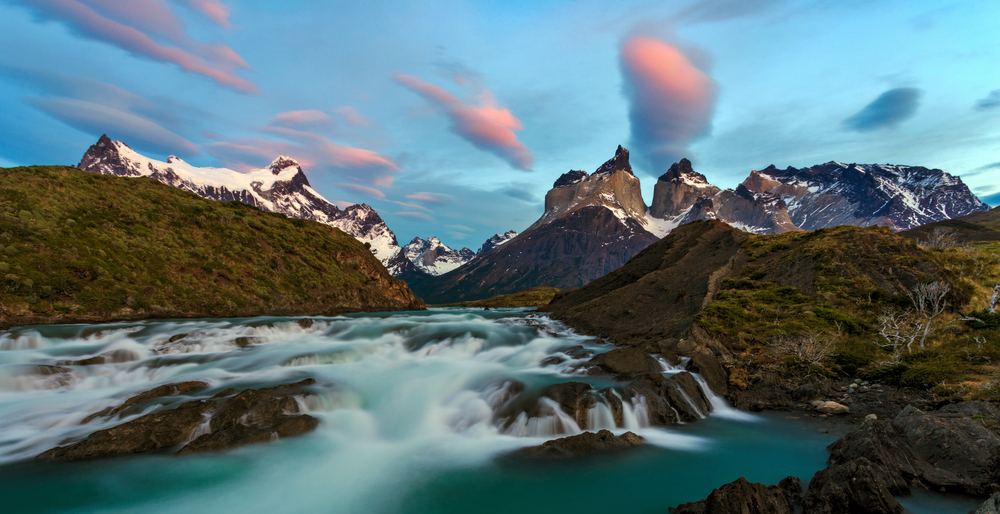
A lack of park rangers and inaccurate weather forecasts pushed tourists onto the dangerous O Circuit despite worsening conditions.
Torres del Paine National Park in Chile, located in wild Patagonia, welcomes roughly 250,000 to 300,000 visitors annually. Thousands attempt its famous trails. On 17 November, a sudden, violent blizzard struck the remote O Circuit trail. The storm killed five trekkers and left dozens stranded for hours in near-zero visibility.
Although weather caused the tragedy, it revealed serious gaps in park safety and planning, which critics have long highlighted.
The Blizzard Hits Trekkers
About 30 international hikers left the Los Perros campsite between 5 and 7 am to climb John Garner Pass. The day started with light rain and moderate winds, conditions common in the area. As they ascended, the weather deteriorated sharply. By late morning, visibility fell to a few metres, and wind speeds exceeded forecasts, creating whiteout conditions that confused hikers and made the trail difficult to follow.
The O Circuit, also called the Paine Massif Circuit, spans 130–140 km and loops around the entire massif. It ranks among Patagonia’s most challenging trekking routes.
Around 10 am, the trekkers encountered horizontal snow, violent gusts, and complete loss of visibility. They reached the upper exposed section of John Garner Pass, above the treeline. The storm split the group: some tried to turn back while others continued upward, unaware of how fast the storm intensified.
Heavy snow, freezing temperatures, and no shelter trapped several hikers. Five died: Mexican couple Cristina Calvillo Tovar and Julian Garcia Pimentel, German couple Nadine Lichey and Andreas von Pein, and British trekker Victoria Bond. Survivors later discovered the victims near the top of the pass.
Safety Gaps and Ranger Shortages
Survivors reported that the park provided unclear warnings about John Garner Pass. Camp staff described moderate winds as “normal” and kept the trail open despite worsening weather. Many blamed park authorities for delayed response. No officials appeared near the stricken hikers, forcing tourists to coordinate the first rescue efforts themselves.
CONAF, Chile’s National Forestry Corporation, oversees park safety, monitors conditions, and controls trail access. Survival guides advise hikers to follow ranger instructions and check trail updates at ranger stations.
Normally, rangers perform entrance checks, assess weather, and provide updated safety information during high season. However, survivors said no rangers were at the dangerous pass during the blizzard. With no officials present, hikers assumed conditions were safe.
Ranger absences coincided with Chile’s 2025 presidential election, which reduced staff by half. CONAF confirmed no rangers were in the Los Perros / John Garner Pass sector that day. Public reports list only about 51 personnel across the entire park.
Staff shortages remain a long-term problem. By 2025, Chile had only 450 highly qualified park rangers for 13.2 million hectares. A 2018 report noted that many parks operate with fewer than five employees. In June 2025, thousands of CONAF staff struck nationwide over resource shortages and administrative issues.
Across the border in Argentina, park rangers reportedly quit in large numbers due to mismanagement under the Milei administration.
