

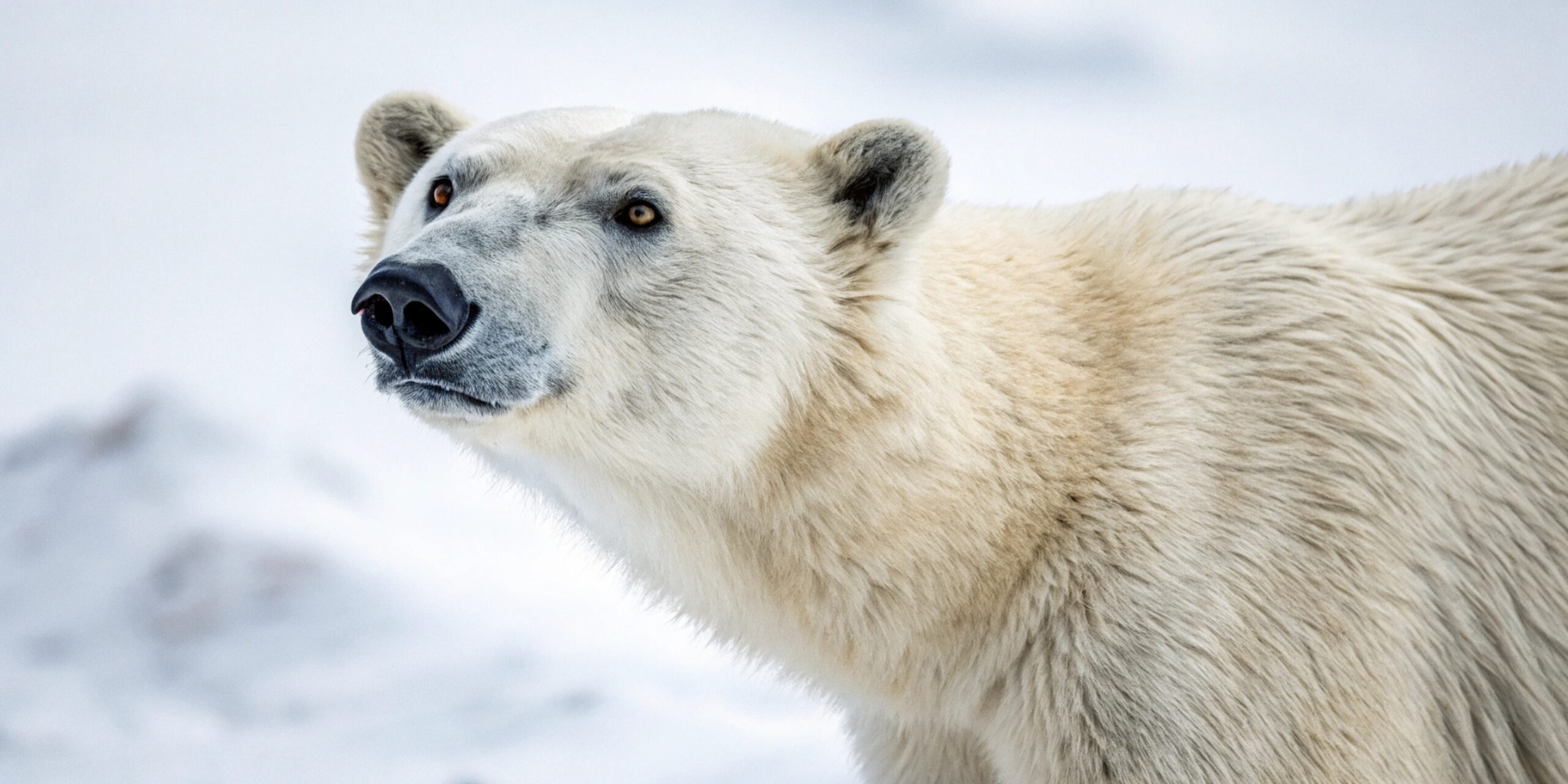
Scientists have identified genetic changes in polar bears that could help them adapt to rising temperatures, offering new insight into how the species might respond to global heating.
Researchers at the University of East Anglia found that polar bears in south-east Greenland show different genetic activity compared with those living in colder northern regions. The study links warmer local temperatures to increased activity of so-called “jumping genes” – mobile pieces of DNA that can alter how other genes function.
The changes were seen in genes linked to heat stress, metabolism and ageing, suggesting bears in warmer areas may be adjusting biologically to their environment. Bears in south-east Greenland experience more variable temperatures and less sea ice, and their diets are also shifting away from fatty seals towards more varied, plant-based food sources.
The findings, published in the journal Mobile DNA, mark the first statistically significant evidence that climate change is influencing DNA behaviour in a wild mammal. Researchers say this rapid genetic response could be a survival mechanism as sea ice continues to decline.
While the results offer some hope, scientists stress that polar bears remain at serious risk. Around two-thirds of the global population is expected to disappear by 2050 if warming continues, underlining the need to reduce greenhouse gas emissions alongside conservation efforts.
