

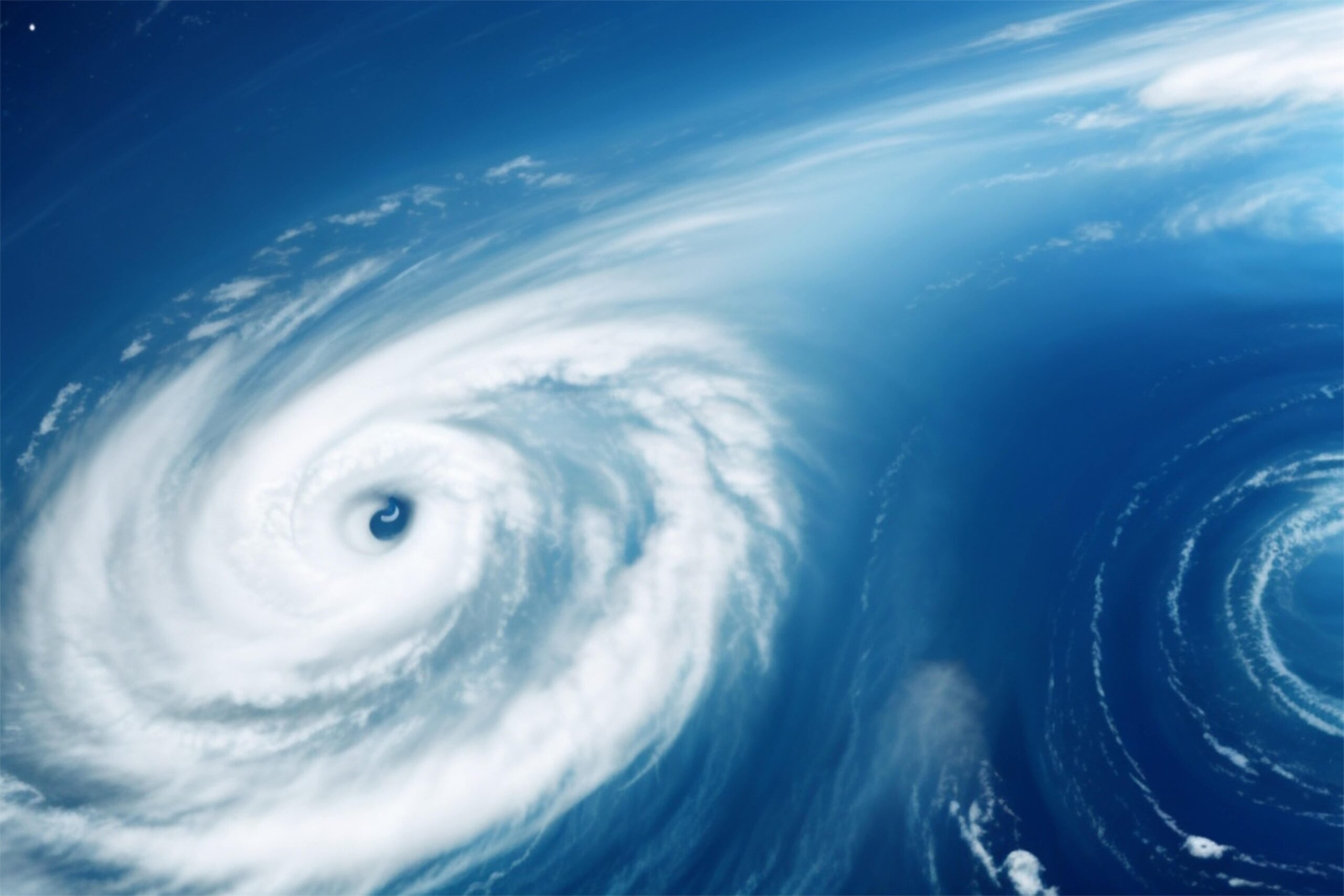
Hurricane Melissa made landfall near Chivirico in Santiago de Cuba early Wednesday, pounding the island with 193 kph winds. The storm, one of the Atlantic’s strongest recorded hurricanes, forced officials to evacuate more than 700,000 residents.
Cuban President Miguel Díaz-Canel confirmed that over half a million people were relocated to shelters and safer areas. Forecasters warned that the Category 3 hurricane could cause widespread destruction in Santiago de Cuba and surrounding provinces.
Meteorologists predicted storm surges up to 3.6 meters and rainfall reaching 51 centimeters across eastern Cuba. Melissa was expected to move northwest through the island before crossing into the Bahamas later Wednesday. U.S. forecasters cautioned that intense rain could trigger deadly floods and multiple landslides. A hurricane watch also remained in effect for Bermuda.
Cuba Faces Deepening Economic and Humanitarian Strain
As Melissa tore through the island, Díaz-Canel warned that the hurricane could worsen Cuba’s ongoing economic crisis. Power shortages, food scarcities, and infrastructure collapse already strain the nation’s fragile economy.
“There will be a lot of work to do,” Díaz-Canel said during a televised address. “We know there will be heavy damage, but no one will be left behind.” He assured citizens that the government would dedicate all available resources to protect lives and rebuild.
Calling Melissa “the strongest hurricane ever to strike national territory,” Díaz-Canel urged Cubans to take the storm seriously and remain vigilant. Authorities suspended classes from Guantánamo to Camagüey, covering nearly half the island, to focus on emergency preparations.
Jamaica and the Caribbean Begin Damage Recovery
While Cuba battled the storm, Jamaica began assessing extensive damage caused by Melissa earlier in the week. Desmond McKenzie, deputy chairman of Jamaica’s Disaster Risk Management Council, reported severe flooding in Clarendon and St. Elizabeth parishes, where large areas remained underwater.
The hurricane damaged four hospitals, leaving one without power and forcing the evacuation of 75 patients. More than 500,000 households lost electricity Tuesday night as fallen trees and power lines blocked roads across the island.
The Jamaican government announced plans to reopen airports by Thursday to accelerate relief operations and deliver aid to affected regions.
Melissa has already claimed at least seven lives across the Caribbean — three in Jamaica, three in Haiti, and one in the Dominican Republic. Another person remains missing, as regional governments continue to survey the full extent of the storm’s destruction.
